
Sorting
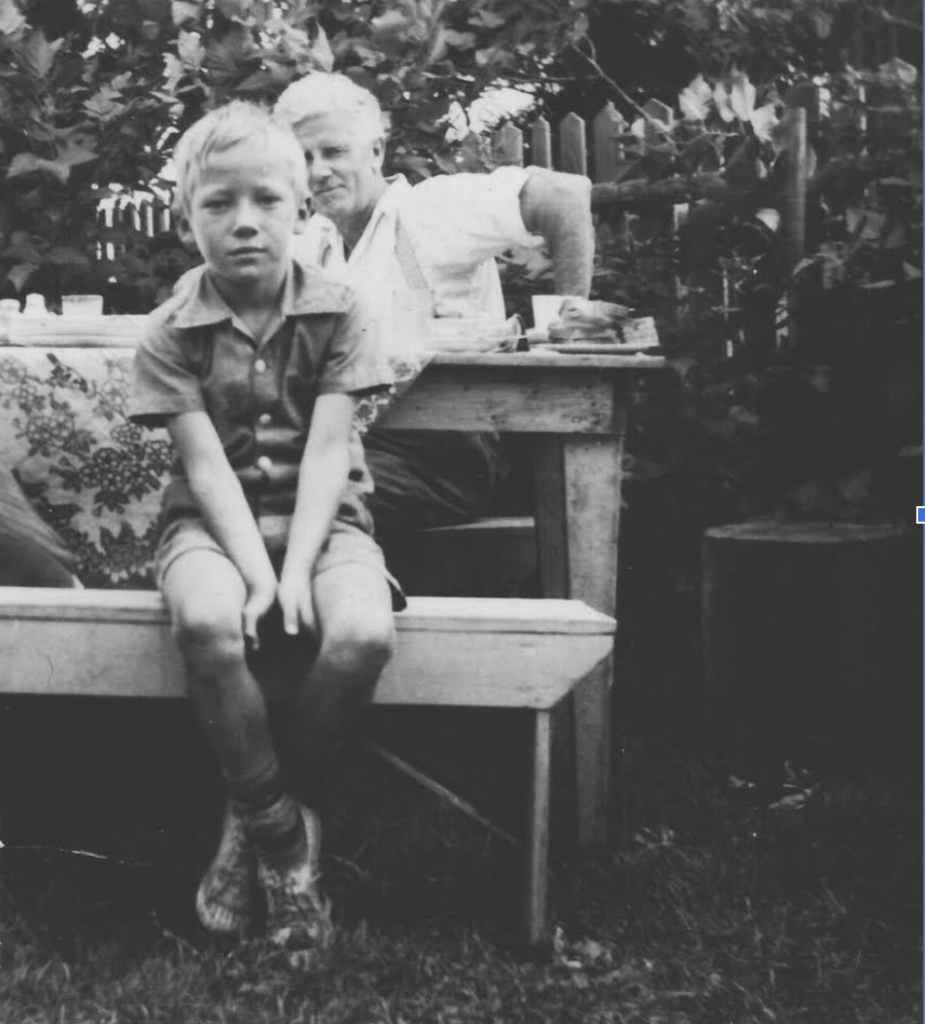
When I was a little boy in bed with measles
my mother gave me the contents of her button bag to sort.
She said this should keep me occupied for a while.
But so much deciding soon tired me.
So I put all the buttons back into the bag
and just lay down and went to sleep.
Old now, I try to sort the contents of my years:
loves from passions,
regrets from rejoicings,
the symbols from the symbolized,
Samaritan from Pharisee,
self from selfless,
chances taken from chances spurned
all that has made me as I am.
What a mix-up! forget it, I tell myself
But this is not the same as sorting buttons;
I can’t get the rememberings back into the bag.
And sleep is hard to come by now.
Thoughts While Thinning Carrots
I am thinning carrots
deciding which to save and foster which to pluck and cast aside.
My decisions are final, there is no appeal
I am playing god to carrots.
Though not an all-seeing, all-knowing god
My mind wanders and I think of other things so that, absent-mindedly,
I pluck carrots which should be saved and save carrots which should be plucked.
Were the circumstances, time and place of the sparrow’s fall decreed
in the Beginning or did they come to pass by happenstance?
When the cosmic computer was programmed were the stars fixed eternally in their courses?
Were all worlds that were, are and evermore shall be, set spinning at predetermined speeds? Were causes and effects and effects within causes (including me here thinning carrots) irrevocably established, or are they subject to change without notice?
Is their creator playing it by ear?
These and all such questions remain as my old Scot schoolmaster would say,
“beyond my ken.”
What man in his right senses would aspire to be
The Whittler
On fine summer afternoons
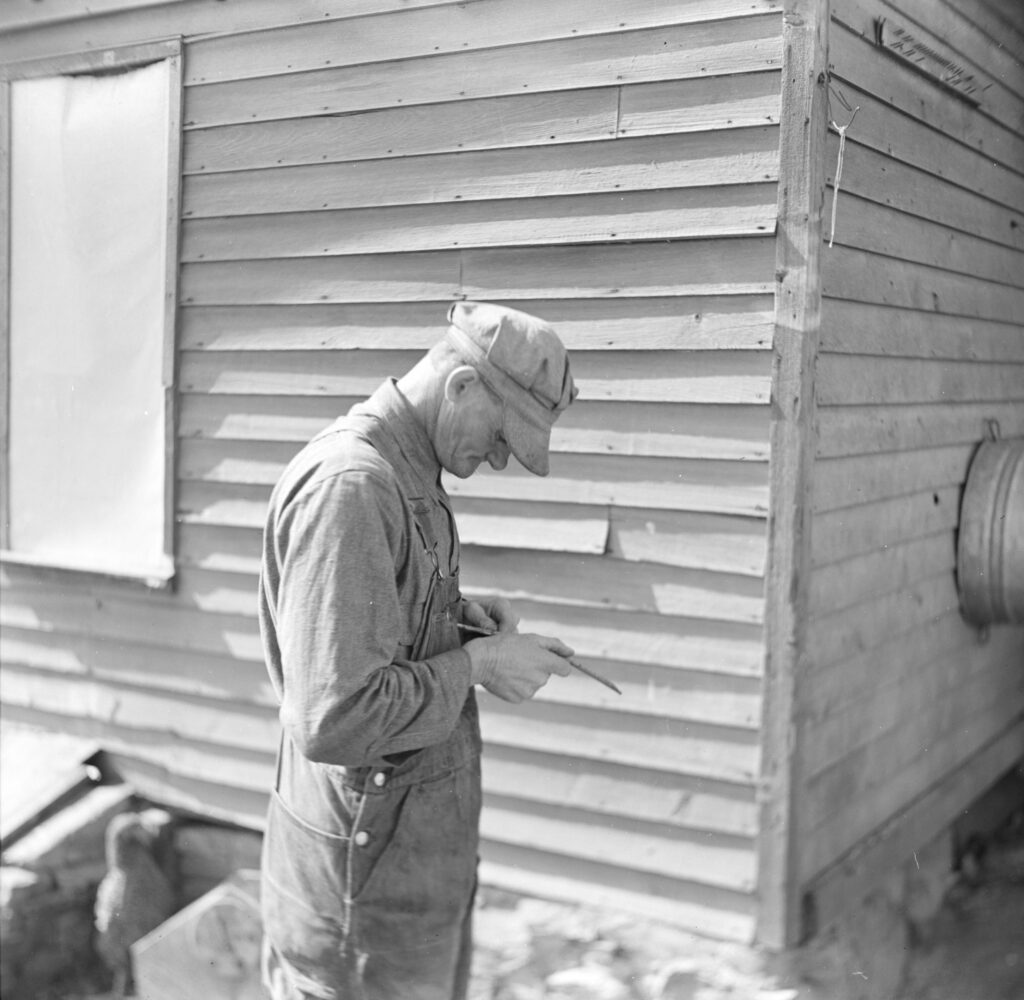
an old man comes to this beach.
Some days he just sits.
Other days he whittles.
Mostly he whittles shavings
But when the mood is on him
he whittles toy boats
His boats are not well shaped.
He knows this and leaves them
for the tide to take.
Confidentially
Inept, old would-be poet
your huffings and puffings amuse me.
You remind me of that half-drunk glass blower
at our county fair. I paid him ten cents-
all of my weekly allowance – to blow me a swan
but the best he could do was a lopsided bubble.
Release
One window is open. A bee bumbles in.
It circles the room wall to wall
now high, now low, erratically
and with increasing speed.
It has lost direction. Frantically
it beats its wings against a window
which is closed.
I guide it through the open window
and see it soar to sunlight.
Many times in life I too have forgotten
whence I came and have beaten my wings
against barriers which would not yield.
Whose hand which guided me to the light?
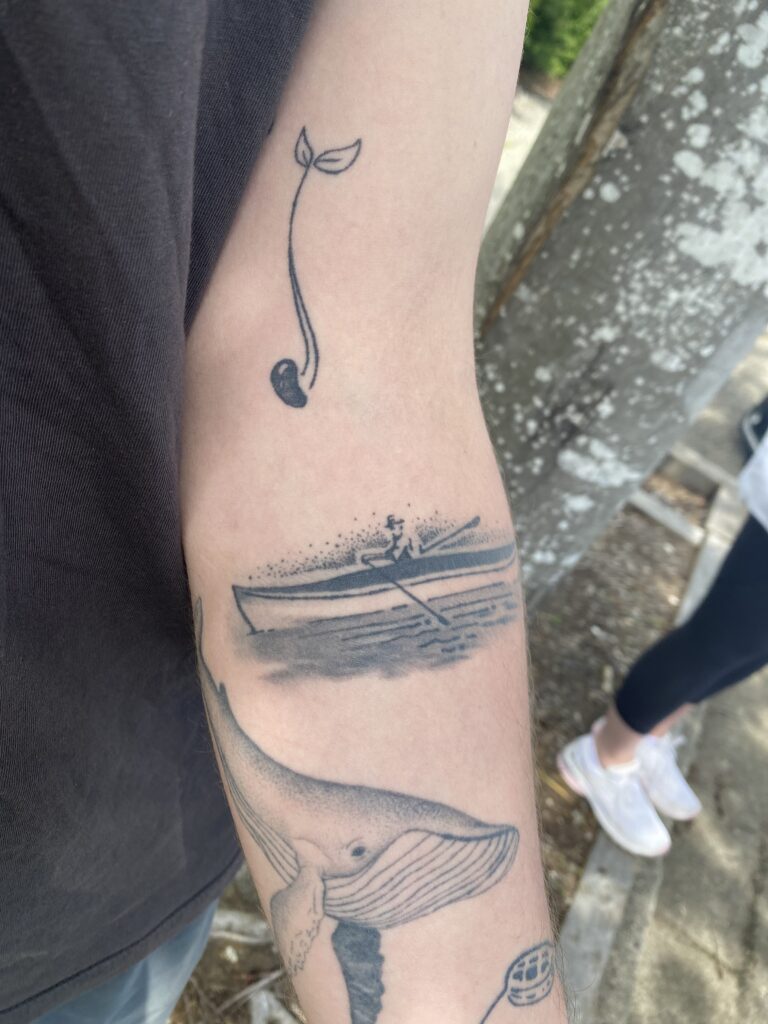
(Tattoo of Evans’s double ended handliner boat)

Hubert Evans
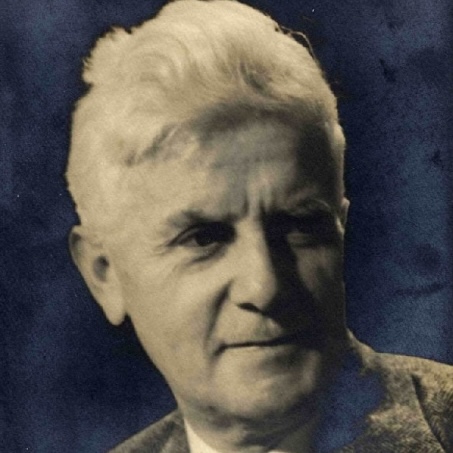
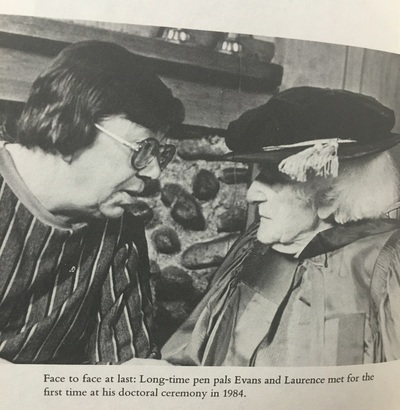
Hubert Evans was born in 1892 in Vankleek Hill, Ontario, and raised in Galt. After working as a reporter and enlisting in 1915, he married in 1920 and settled in a seaside home in Roberts Creek, BC. His first novel, The New Front Line (1927), follows a World War I veteran pioneering in British Columbia. His time living in northern Indigenous communities shaped his acclaimed second novel, Mist on the River (1954). Nearly blind in his late eighties, he wrote O Time in Your Flight (1979), the story of an Ontario boy in 1899.
Praised by Margaret Laurence as “the elder of our tribe,” Evans produced an extraordinary body of work—hundreds of stories, plays, poems, three juvenile novels, and a biography—over more than seven decades. He died in 1986.