The Boy and the Bomber
By Mark Carter, as told to Janet Carter
The year was 1940. I was a small boy standing under the wing of a Halifax bomber on a hot Durban afternoon. The aircraft was enormous, and as I stared up at the underbelly of the monster, I imagined men climbing into this flying ship and taking to the skies. At the time I don’t remember thinking, I want to be a pilot. I only felt awe.
The idea that I might want to fly came several years later, listening to my uncle Johnny—a Spitfire pilot during the war—describe the exhilaration of flying.
That was the first spark.
FIRST HURDLE
Like many boys, it was assumed I would follow in my father’s footsteps and join his accounting firm. I tried. I really did. But hours in front of ledgers made my mind wander into the realm of what ifs. What if I could be up in a cockpit like Uncle Johnny? What if I could experience that same freedom?
My desire to fly had taken over, and I knew I had to pluck up the courage to tell my father.
Eventually, I walked into his study—knees shaking—and confessed that I wasn’t cut out for a life of balance sheets.
To my astonishment, he didn’t scold me. He didn’t sigh or shake his head. He simply said, “Son, follow your dream.”
I didn’t yet understand how difficult that dream would be.
FIRST ATTEMPT: THE SAAF
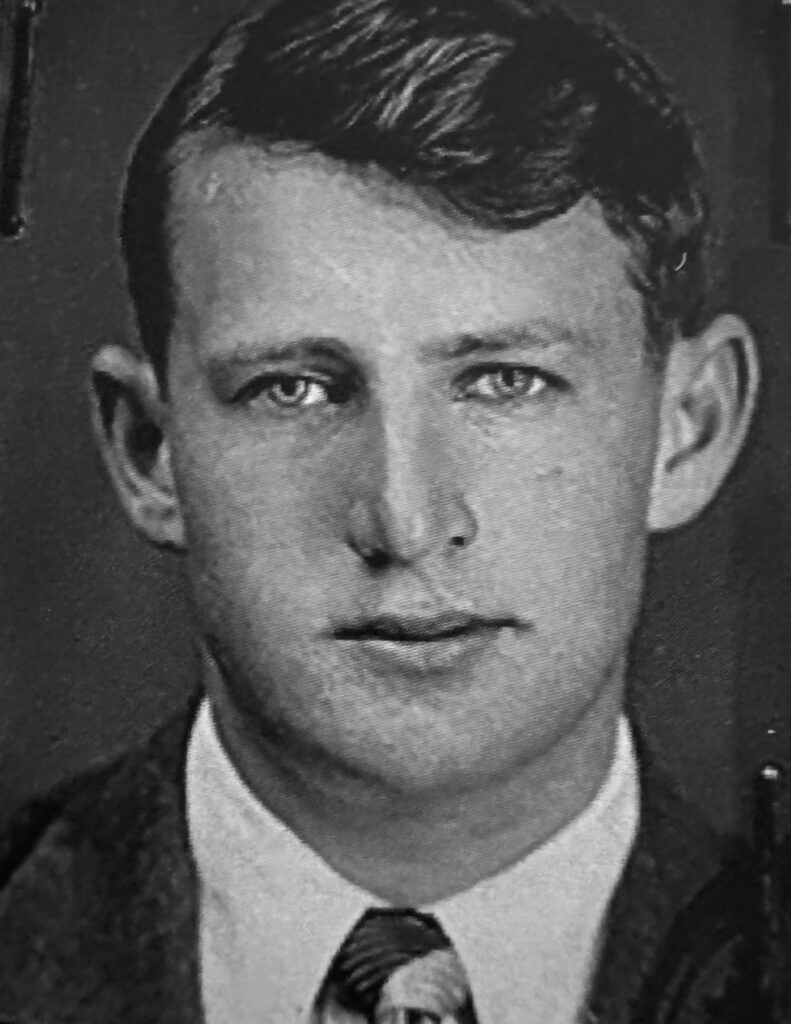
In those days there was mandatory national service, so I chose the South African Air Force, imagining I’d be handed a fighter plane immediately. Of course that’s not how it works in the real world, but still—an airbase was an airbase, and the SAAF Aero Club offered flight lessons.
I discovered that flying came naturally to me. I was amazed at how at home I felt in an aircraft, and my dreams were finally taking flight.
When my National Service ended, I submitted my pilot application. Sixteen vacancies. I had flight hours, aptitude, and enthusiasm. I thought I was a sure thing.
Instead, I received the first official “no” of my flying life. The disappointment was huge, but I wasn’t about to let my dream die so easily. I turned my sights toward another sky: England and the Royal Air Force.
I worked day and night to afford passage, boarded a boat with a handful of friends, and set off across the world fueled by nothing but hope.
SECOND ATTEMPT: THE RAF
The RAF was recruiting aircrew. I applied, completed the aptitude tests, the initiative tests, the medicals. I felt confident; after all, I had done this before.
At the end of selection week, we were ushered in one by one. When my turn came, the officers smiled politely and said:
“Mr. Carter, you’ve performed well. We’d like to offer you a position… as a navigator.”
Navigator.
Not pilot.
I felt the word like a punch to the chest. I declined—politely but firmly—and walked out.
Suddenly I was broke, unemployed, and despondent. My dream, however, was as strong as ever. I joined my friends in an Earls Court apartment and took the first job I could find: serving knickerbocker glories in Lyon’s Corner House while I figured out my next move.
Not long after, I walked into the Canadian Embassy and—by some miracle—was told they were recruiting men for flight training, but I’d have to get myself to Montreal. A second job was needed, and soon I was hanging high above Kensington High Street in a cradle with a pneumatic drill I barely knew how to hold. It paid well enough.
Within three months I had saved enough to sail to Canada in the bowels of the SS Neptunia.
I arrived in Montreal penniless and was told the next Royal Canadian Air Force training wouldn’t begin for six weeks. I landed a job as a short-order cook and survived on bread and peanut butter, sleeping in a cheap room at the top of a brothel I hadn’t realized was a brothel until it was far too late to change my mind.
Six weeks felt like six months.
THIRD ATTEMPT: CANADA
London, Ontario. Centralia Air Base. Fifty hopefuls. This was do or die—one last chance.
The week was a blur of tests, drills, interviews. I felt good—better than good—but I had learned that aptitude alone guaranteed nothing.
We all sat in a corridor, waiting. Finally someone called my name.
“Carter!”
I stood before the recruiting officer, who delivered the familiar verdict:
“Well done. We can offer you a position as… a navigator.”
This time I didn’t stay upright. My legs gave out and I fell into a chair, head in hands, muttering, “Oh no.
Oh no.”
The officer disappeared. Minutes passed. Or hours. I’m still not sure.
He returned with a completely different expression.
“Sorry—my mistake. We want you as a pilot.”
THE SKY, AT LAST
The relief at hearing those words will stay with me forever.
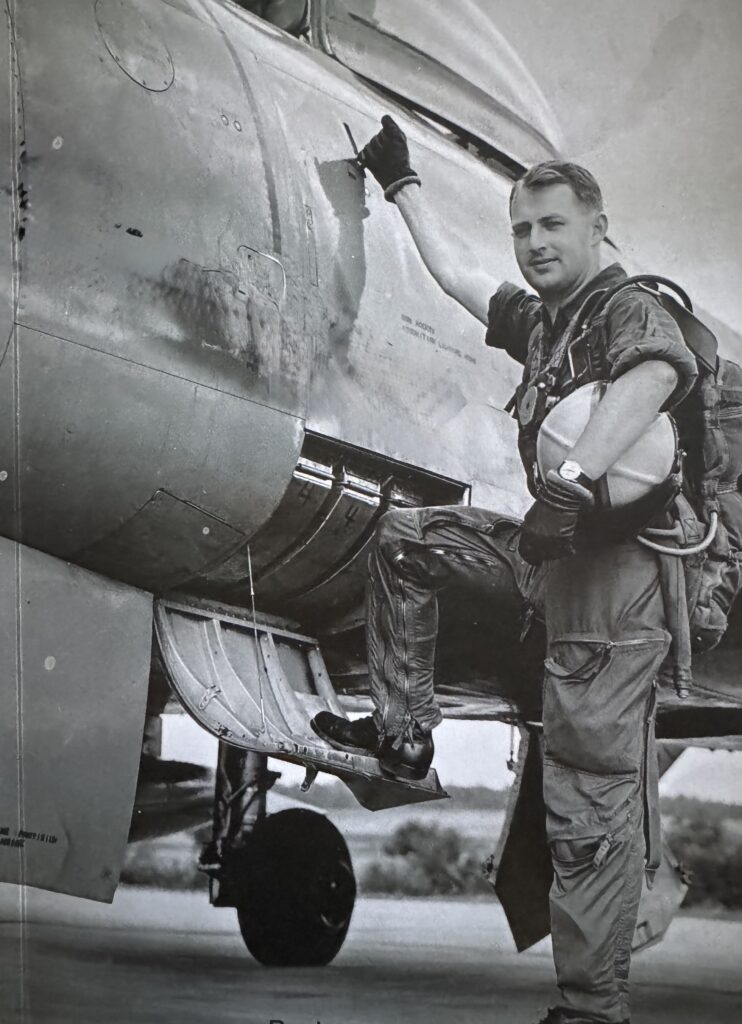
That moment opened the door to forty years of flying—from Aeronicas to Boeing 747s, from military cockpits to commercial skies. The world unfolded beneath my wings, all because no matter how many times I was told no, the sky kept whispering:
Try again.

Janet Carter
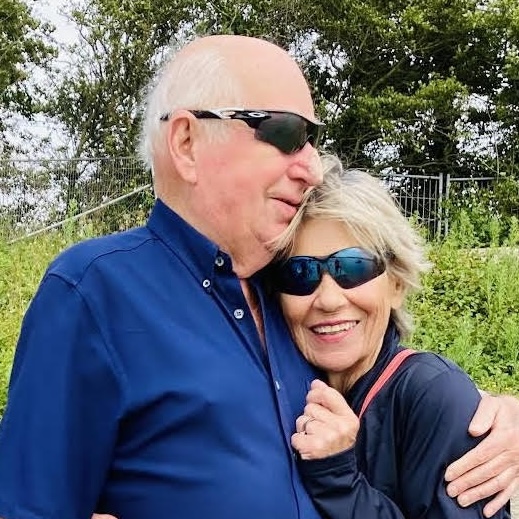
Born in London during the Blitz, August 1940—second of six children, nicknamed Pum. Spent childhood competing with my brothers until realizing at 15 that being a girl had advantages.
After a teacher said I’d be lucky to work in a flower shop, I worked everywhere: bank cashier, estate agent (sold three houses to Princess Diana’s father), nursing home owner (learned my limits cleaning toilets), and inventor of a watering system.
I learned to fly, earned my BA at 65 and MA at 73 and applied for Great British Bake Off at 83 (rejected for being too ancient).
Greatest joys: husband, children, grandchildren, dog.